


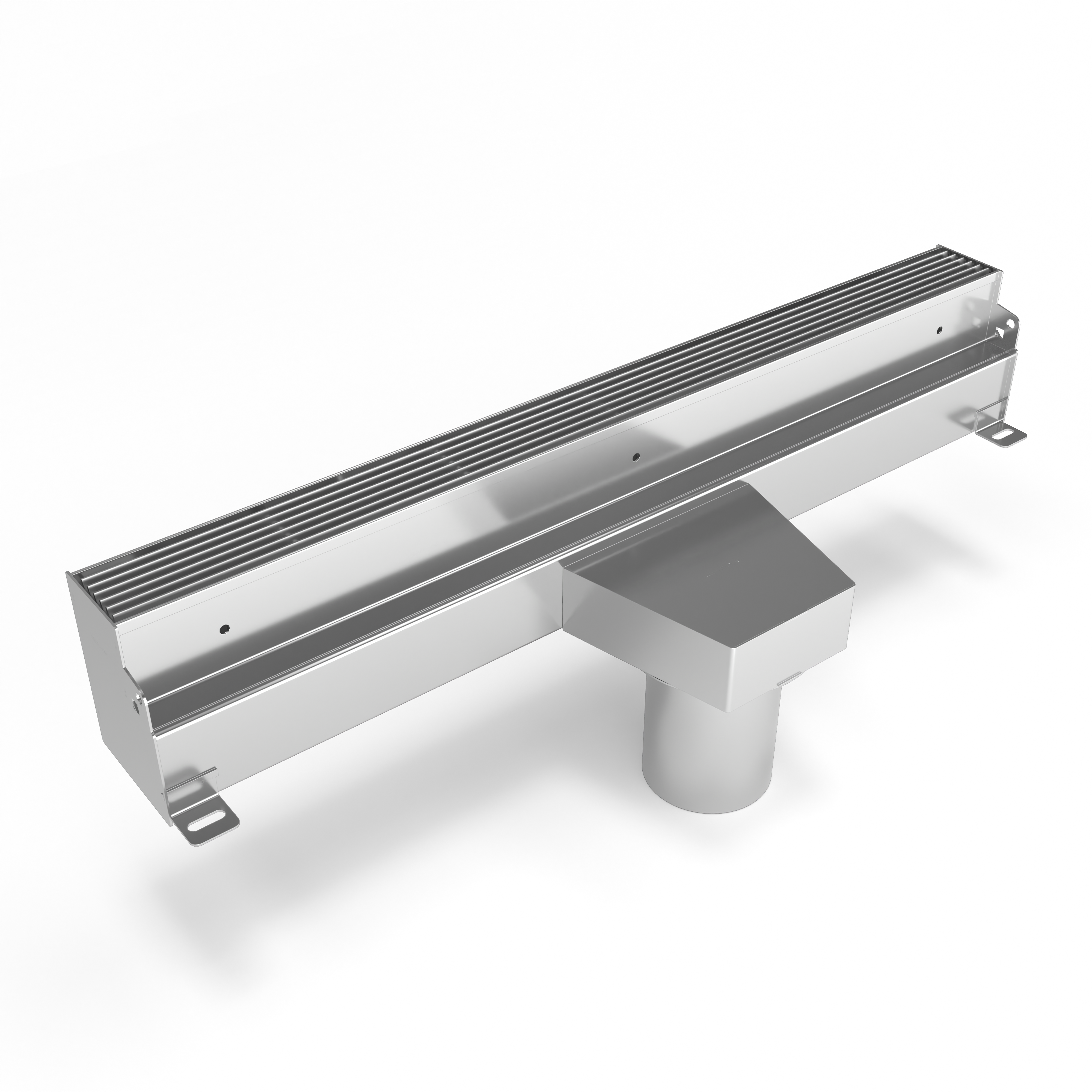

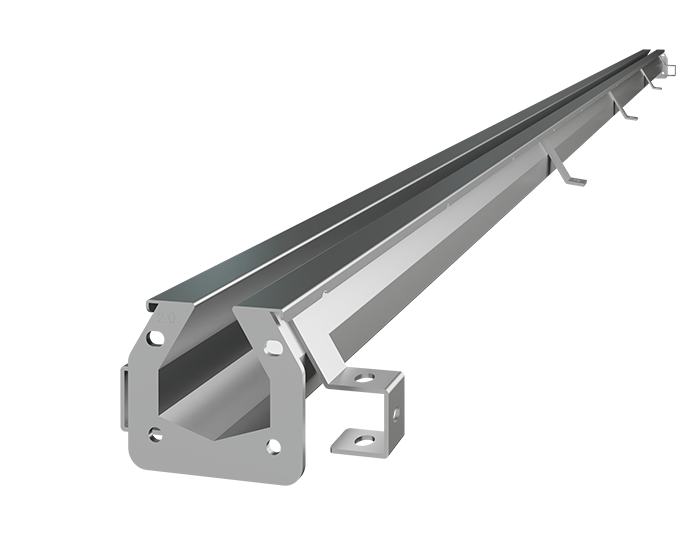


Hygienic drainage is a key component in the sterilized and controlled environments present in pharmaceutical manufacturing. Drains need to be designed, located, and maintained so as to reduce the risk of microbial contamination.
GMP Standards for Pharmaceutical Drains
Pharmaceutical drains are sometimes referred to as GMP drains in reference to good manufacturing practices. GMP’s are a set of guidelines administered by both global and regional agencies to govern the production of many manufactured products, including pharmaceuticals. The history of GMP’s makes clear that these guidelines exist to protect the public. GMP’s require manufacturers to take every possible step to avoid the contamination of products during the manufacturing process.

Traditional floor drains, which are not designed with hygienic principles in mind, can be a harborage point for bacteria. Their connection to the waste stream environment can also act as an ingress for outside bacteria. Because of this, specific standards need to be followed when manufacturing hygienic drainage for the pharmaceutical industry.
Pharmaceutical drains should be made from 316 stainless steel, allowing them to be cleaned to the microbiological level. They should be manufactured according to hygienic equipment design standards to prevent bacterial harborage. These drains should be fitted with effective, easily cleanable traps and designed to prevent backflow. Any floor channels should be open and easily cleanable and be connected to the plumbing system in a manner that prevents external microbial contaminants from entering the sterile area.
Materials and Hygienic Design
The World Health Organization’s good manufacturing practices for pharmaceutical products recommend the exclusion of drains from certain highly sensitive areas, such as where aseptic operations will be carried out. However, the larger environment within which these areas are contained can still require drains. These drains should be designed, located, and maintained so as to maintain the overall cleanliness of the facility and minimize the risks of microbial contamination.
Some manufacturers interpret these regulations to mean that drains located in or around these areas need to be completely sealed and only opened during cleaning operations, keeping the environment completely separated from the waste stream environment while in use. Whether drains are sealed or not, they should be manufactured according to hygienic design principles, including:
- Manufactured from T316 Stainless Steel
- Smooth no-niche designs
- Completely drainable basins
- No lap joints and welded butt joints
- All corners should be rounded
- No welding in corners
- Drains should be passivated

Pharmaceutical Drainage System Design
Pharmaceutical drainage system design is based on the expected use case of the drainage system. While manufacturers should always consult a drainage professional when attempting this process, there are certain factors that should be considered.
First, what type of cleaning will the facility use? Will it use wet or dry cleaning? In areas where wet cleaning will be used, linear drains such as trench drains or slot drains might be preferable. However, locations that use dry cleaning might have significantly reduced drainage requirements. These areas can often be served by a single specialized drain that remains sealed during the pharmaceutical manufacturing process. These drains are only opened during certain maintenance procedures to maintain the sterility of the environment.
The flow rates and direction of flow should also be taken into account, as these will determine both the need for floor slopes and the direction of drainage. In highly sterile rooms, floor slopes might not be necessary. However, in areas that see regular washdowns, a sloped floor to drain method could help to manage water during cleaning processes.
Based on these factors, the design of pharmaceutical drainage systems requires a right drain right area approach. No one drain will be suitable for every area. Pharmaceutical manufacturing is often divided between areas that fall under classifications from A to D. This can determine what type of drains are suitable for which areas. While a Class A area might not contain a drain or might contain a sealed drain, a Class D area might be suitable for a hygienic linear drain.

Pharmaceutical Drain Monitoring
Installation of hygienic drainage in pharmaceutical facilities needs to be accompanied by a monitoring and maintenance program to ensure that the entire drainage system is sanitary and functional.
This is accomplished through the creation of an SSOP (Sanitation Standard Operating Procedure) tailored to the needs of the facility. While each SSOP will be different, they should all contain a set of common principles.
- Who will perform monitoring and maintenance
- Tools and chemicals that will be used
- Frequency of the activity
- Record keeping protocols
- Regular inspections by a third party to ensure compliance
On a practical level, this procedure will often include physical scrubbing of the drains, solids removal, cleaning of integrated waste traps or strainer baskets, and post cleaning sanitization procedures. The SSOP should also institute a record keeping system to ensure maintenance is occurring according to a predetermined schedule and that these activities can be tracked for future reference.
Specialized cleaning tools are available from drainage manufacturers to aid in the cleaning or maintenance of hygienic pharmaceutical drains. For more information, talk to your sales representative about drain cleaning tools and maintenance recommendations.
Choosing Hygienic Drainage
Choose hygienic drainage from a reputable manufacturer with experience and a proven track record. The design and manufacturing of hygienic drainage requires research, development and institutional knowledge. Global Drain Technologies, through our divisional brand FoodSafe Drains and our product brand Slot Drain Systems, has over 30 years of experience in building hygienic drainage systems.
Our application of safe material handling principles to facility drainage have informed the creation of our lineup of pharmaceutical-grade drainage products. Talk to us today about how our industry leading hygienic drainage design can ensure regulatory compliance and peace of mind within your pharmaceutical manufacturing facility.