





Why Drainage Design Matters in Food Manufacturing Facilities
In food manufacturing, every detail matters when it comes to food safety. While surface sanitation, air filtration, and equipment hygiene are often the focus of compliance efforts, one critical factor remains overlooked: the drainage system. Traditional, outdated or poorly designed drainage systems pose significant risks to food safety and facility operations. They can harbor harmful bacteria, leading to foodborne illnesses, costly recalls, reputational damage, and operational disruptions. Clogs and floods exacerbate these issues, compromising safety and causing downtime.
Modern food-safe drain systems are transforming facilities by enhancing safety, hygiene, and efficiency. These systems collect fewer contaminants, are easier to clean, and reduce cleaning time, making thorough sanitation more feasible. They are also straightforward to install or retrofit, making them ideal for upgrading existing facilities. Specialized companies can complete installations quickly, often within two to three days, minimizing downtime and ensuring a seamless transition.
Designing an efficient drainage system for food production facilities demands a carefully tailored strategy, as there is no one-size-fits-all solution. Each area within a facility—be it a busy processing zone, a storage area, or a customer-facing space like a winery—has unique needs that call for carefully tailored solutions. Critical considerations include contamination risks, frequency of washdowns, water flow volume, exposure to high temperatures or harsh chemicals, equipment weight, and floor slope. Even aesthetics play a role in customer-facing spaces like wineries.
There are three types of drains commonly used in food production facilities: area drains and two types of linear drains—grated drains and slot drains. Choosing the optimal solution for each application and area is key to creating an effective system.
Accessibility: Area Drains vs. Linear Drains
Traditional area drain systems present significant challenges due to their extensive underground piping, which is difficult and expensive to access and clean. For instance, in a 4,800-square-foot facility, an area drain system typically includes about 244 feet of buried pipes. These hidden pipes cannot be visually inspected or physically cleaned without specialized equipment, creating an environment where contaminants and bacteria can accumulate over time, unnoticed and unchecked, and solids accumulate, reducing flow and causing blockages.

Linear drain systems, on the other hand, are designed in a way that reduces the need for extensive underground piping, making drainage channels significantly easier to access for cleaning and maintenance. For instance, in the same 4,800-square-foot facility, a linear system with a 100-foot slot drain would require just 10 feet of underground piping. This substantial reduction in buried infrastructure simplifies inspections and maintenance, enabling staff to efficiently keep the drainage system in optimal condition.
Cleanability: Grated Linear Drains vs. Linear Slot Drains
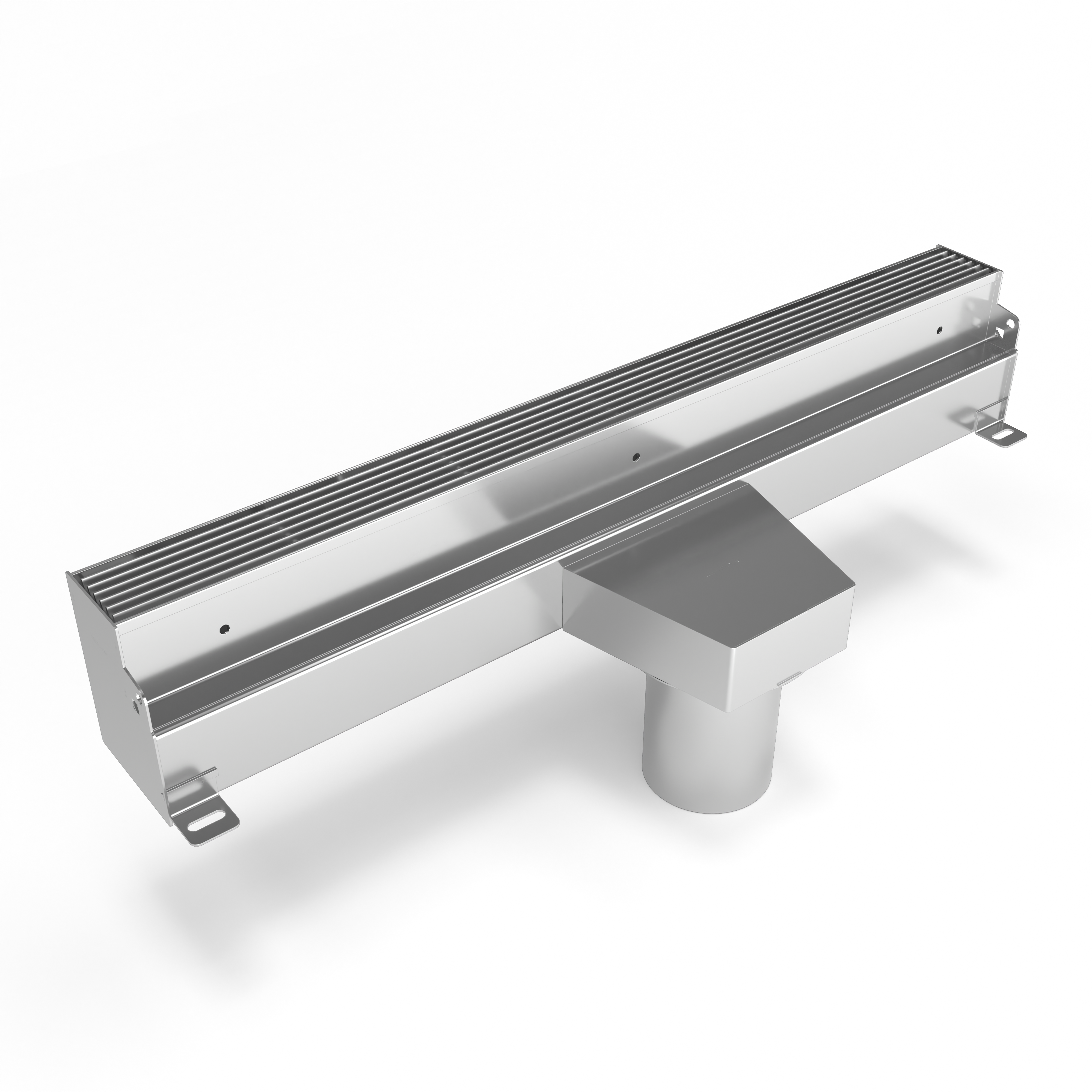
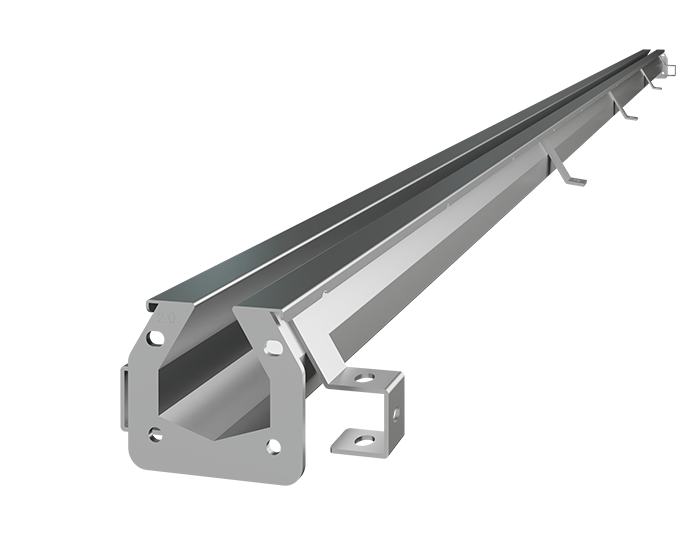
Linear drains come in two primary forms: grated drains and slot drains. While both provide access to the drainage channel for cleaning, their designs differ significantly. Grated drains use removable grates to cover the channel, while slot drains offer a narrow opening running the length of the drain, that eliminates the need for a grate altogether.
Grated drains have their place but come with their own set of issues. They can trap bacteria, leading to unpleasant odors and a higher risk of contamination. Cleaning them is a labor-intensive, time-consuming task due to the heavy, cumbersome grates, which can be difficult to handle. During cleaning, the uncovered drains pose a safety hazard, requiring sections of the area to be blocked off, causing interruptions and costly production downtime.
A Smarter Approach: Whole-Building Drainage Solutions
Area Drains
| Best for compact spaces such as processing zones or equipment washdown areas, these drains effectively collect and remove water where space is limited. |
 |
Trench Drains
| Ideal for areas with high-water-volume and lots of solids like production floors and packaging lines, grated drains prevent pooling and flooding while accommodating heavy traffic. |
 |
Slot Drains
| The gold standard for sanitary drainage and food safety, slot drains combine durability with effortless cleaning. Their sleek, grate-free design provides a seamless, modern look, while advanced models include clean-in-place (CIP) technology and robust construction capable of withstanding forklift traffic. |
 |
A whole-building approach to drainage ensures that every area of a facility has the optimal system for its specific needs. While slot drains offer exceptional performance in many applications, a comprehensive drainage strategy integrates multiple solutions tailored to different parts of the facility:
Conducting a Drainage Assessment
When presented with a whole building approach most food and beverage processors see the value but don’t know where to start. After all they are not drainage experts they are experts in their chosen field. To meet the needs of legacy facilities that require drainage modernization, Global Drain Technologies (through its divisional brand FoodSafe Drains) created the Drainage Evaluation Program (DEP).
The DEP delivers an assessment and evaluation of current drainage usage covering drain types, installation methods, and maintenance to address improvements and optimization of drainage performance in manufacturing and processing facilities. The final report includes actionable programs and steps necessary to execute on evaluation recommendations. By implementing these recommendations and strategically upgrading drainage based on facility needs manufacturers can optimize food safety while reducing maintenance costs.
 For manufacturers who are engaged in greenfield projects the sky is the limit on functional drainage design. The use of linear drain systems, including slot and advanced trench drains, reduces the need for extensive underground piping. This design makes drainage channels more accessible for cleaning and maintenance. By implementing our 'right drain, right area' approach, we facilitate easier cleaning, which in turn leads to improved standard operating procedures (SOPs). For producers engaged in greenfield projects, FoodSafe Drains offers ENVISON a collection of turnkey services for new build projects that create turnkey solutions for whole-building hygienic drainage supply and installation.
Choosing Qualified Installers
The whole-building drainage approach is designed to uphold safety and hygiene while minimizing the workload for facility staff. This approach requires hygienic drains and bulletproof planning but it cannot be executed without the right people on the ground performing the installation. Implementing a whole-building drainage design requires a high level of both experience and commitment. Companies need to have not only the will but the capacity to operate under tight timelines and deliver audit-proof results.
 To meet these needs Global Drain Technologies created the Alliance Partner Network. This network connects food and beverage processors with qualified individuals who can be trusted to perform the quality of work required under regulatory and food safety guidelines like the FSMA, SFCA and GFSI This network now encompasses a diverse group, from multinational design-build firms to local contractors. Collectively, these partners contribute decades of specialized expertise in the installation and maintenance of drains and related elements, including concrete finishing, floor coatings, and plumbing and piping.
Using our Alliance Partner Network our customers can rest assured that the work will be done correctly, on time and on budget by qualified individuals creating efficient drainage systems that will operate seamlessly for decades to come.
Proactive Food Safety: Looking Beyond the Surface
Food manufacturing facilities are under increasing scrutiny for foodborne illness prevention, with recent outbreaks, such as last year’s Listeria outbreak, tied to contaminated production environments. A proactive approach to food safety means addressing all potential sources of contamination, including drainage.
● Prevention Over Reaction: Instead of responding to contamination incidents, facilities should design their infrastructure to prevent bacterial growth in the first place.
● Regulatory Compliance: As food safety regulations evolve, manufacturers that invest in hygienic drainage systems will be better equipped to meet and exceed compliance standards.
● Long-Term Cost Savings: Upgrading to modern, low-maintenance drainage solutions reduces ongoing labor costs, minimizes downtime for cleaning, and extends the lifespan of facility infrastructure.
Adopting a whole-building approach to drainage is not merely an upgrade, but a transformative shift in food safety strategy. By integrating smart, hygienic drainage solutions across facilities, manufacturers can significantly reduce contamination risks, streamline maintenance processes, and ensure compliance with evolving food safety regulations.
A thoughtfully engineered drainage system, tailored to meet the unique demands of each facility, delivers reliable performance even under challenging conditions. Investing in innovative drainage technologies today paves the way for a safer, more efficient food production environment in the future.
Comprehensive Portfolio of Solutions
Effective drainage design goes beyond choosing the right drain type. Drainage system providers must offer a comprehensive portfolio of products and technologies tailored to the needs of food production facilities.
Global Drain Technologies through its divisional brand FoodSafe Drains, offers a well-rounded range of essential components like grates, catch basins, tamper-proof magnetic strainers, and high-quality sealing systems, as well as turnkey services and installation partners to create an extensive collection of solutions.
FoodSafe Drains products create a complete, high-performing system for the whole facility that is easy to maintain and meets the strict standards of food-safe environments. Contact us today to learn more.