





The number one role of a kennel/shelter is to keep pets and rescues safe. Maintaining a clean environment is key to the health and welfare of the animals. A sanitary setting keeps staff and visitors comfortable. This presents a positive image of the business (or non-profit) to the public, increasing their operational capacity and financial viability.
Shelters and kennels should have a daily sanitation plan in place that is comprised of three parts:
- Cleaning, to remove food waste, hair, urine, bodily fluids, and fecal matter
- Disinfection, to kill surface pathogens
- Drain cleaning and maintenance
This process significantly reduces the risk of infectious disease and maintains the animals' quality of life.
In kennels housing dogs, wet cleaning is often the standard. This usually involves spraying down the living area with a hose and applying liquid disinfectants. These areas then need to be properly dried before the animal returns to the space to prevent discomfort and illness. Adequate drainage in kennels is not a nice-to-have, it is a need-to-have, and the quality of the installed drains makes a structural difference in how cleaning and sanitation are carried out.
Hygienic Drainage for Animal Care
 Not all drains are created equal. Hygienic drainage is a specific class of drainage constructed to standards outlined by the American Society of Mechanical Engineers (ASME) and the National Standards Federation (NSF). It also complies with protocols outlined by internationally recognized standards such as GMP/BRGCS/3-A followed by hygienic manufacturers worldwide.
To meet these standards, drains are constructed from premium T304/T316 stainless steel, with fully passivated surfaces, continuous-slope, fully drainable bodies, no-niche designs, and hygienic welding practices. These design features eliminate standing water and bacterial harborage points, controlling odors and mitigating the risk of pathogen transmission. They also allow the drains to be cleaned down to the microbial level. Strong sanitizers and acidic substances like urine will not corrode these drains, giving them a long service life.
Hygienic drainage is required in applications such as food and beverage processing and pharmaceutical manufacturing but is often overlooked in animal care facilities. While hygienic drainage can have a higher upfront cost than plastic or cast iron drains, hygienic drainage systems can have a lower total cost of ownership due to their longevity and ease of maintenance.
Drain Types
Global Drain Technologies provides animal care professionals with three types of drains to choose from: Area Drains, Trench Drains, and Slot Drains.
Area Drains
Area Drains are round or square and require water to be funneled towards a single point on the floor. This can result in complex floor slopes, depending on the drain placement and number of drains required. Hygienic GDT Area Drains have an 8” diameter inlet and can drain areas up to 400 square feet.
 For tile, choose a square top area drain, and for liquid-applied coatings, choose a round top. GDT Area Drains are available with specialized covers that are safe for paws and claws. They ship with integrated strainer baskets to trap hair and collect lost items, significantly reducing clogs and blockages.
Trench Drains
A trench drain is a linear drainage system for quickly and efficiently removing excess surface water using a trough-shaped channel covered with a grate. Because they can be run from one wall to another, trench drains require less complex floor slopes than area drains. Trench drains typically have a “U” shaped profile, or some variation thereof.

GDT Trench Drains are available with specialized grates that are safe for paws and claws. Trench grates should be removed for cleaning. This can increase cleaning time compared to slot drains. GDT Trench Drains come standard with catch basins and integrated strainer baskets to trap hair and collect lost items, significantly reducing clogs and blockages.
Slot Drains (Recommended for Animal Care)
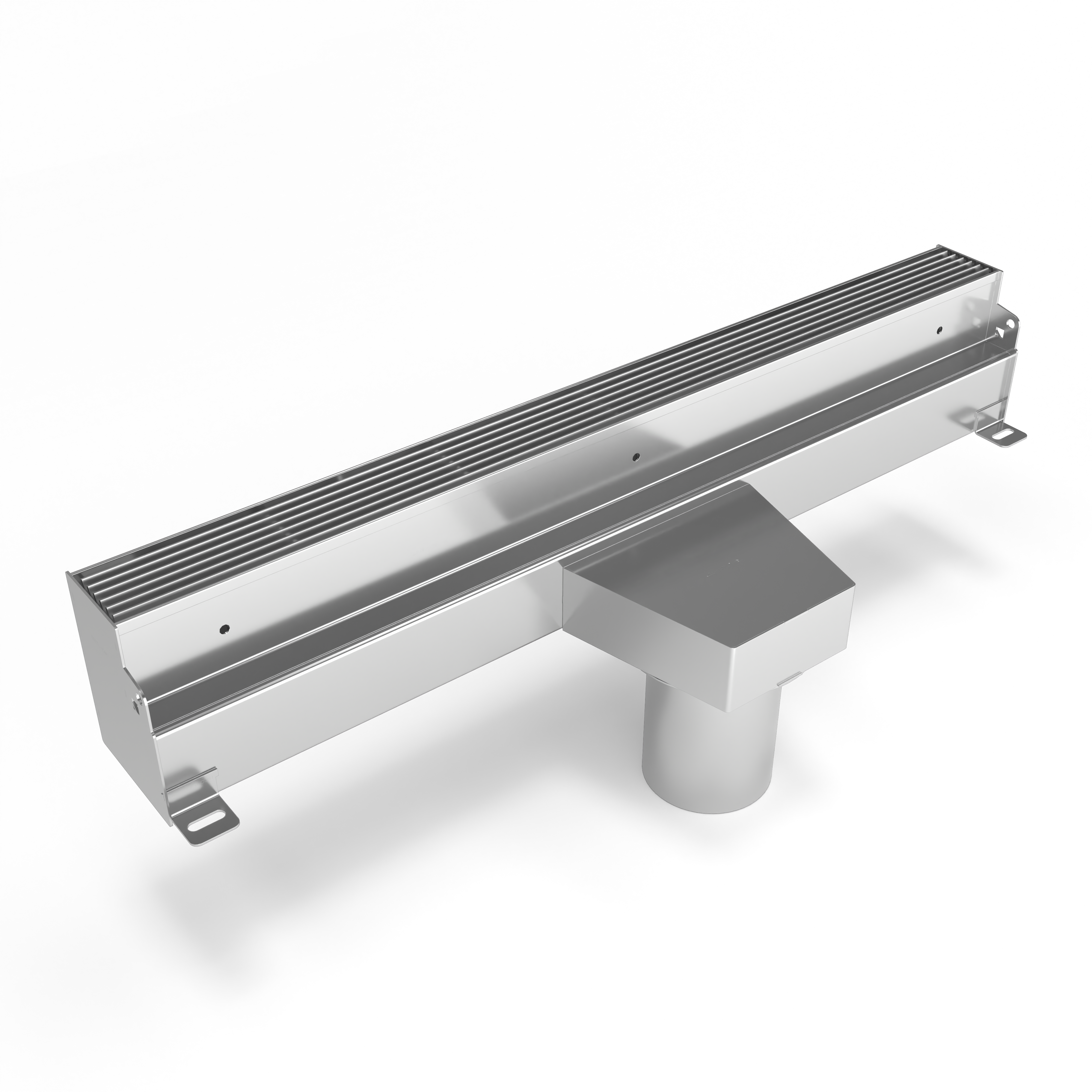
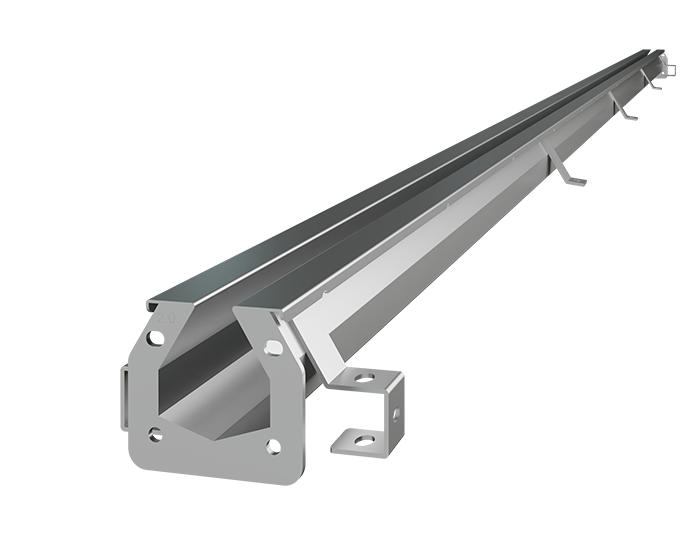
A slot drain is a linear drainage system with a narrow slot running along the top of the drain that allows water to enter the drainage channel. Because they can be run from one wall to another, slot drains require less complex floor slopes than area drains. Slot drains typically have a teardrop-shaped profile, with the top of the drain (the slot) being much narrower than the drain body.

Slot drains are grateless, their narrow inlet, typically ½″ or less, can accept high flow rates while remaining safe for even tiny paws. Their grateless design makes slot drains exceptionally easy to clean and maintain. GDT Slot Drains come standard with catch basins and integrated strainer baskets to trap hair and collect lost items, significantly reducing clogs and blockages. We recommend slot drains over trench and area drains for most kennels.
Drain Placement

For water to run freely towards the drain, floors should have a 2% slope. However, a 2% slope is noticeable and can cause discomfort to animals. Animal care facilities often compromise between heavily sloped self-draining floors and lightly sloped floors that are better for the animals and handlers. It is important to determine the location of your drains and your floor slopes during facility design. This way, the drainage layout can complement the flow of rooms and hallways. Drains installed as an afterthought rarely function as well as those that were incorporated into the overall design of the facility. Where you put your drains will help you to determine what kind of drains you need and what floor slopes are required.
If you choose area drains, it is often advisable to put them as close to the center of the room as possible. This allows for long uniform floor slopes. If they are placed closer to a wall, the slopes will be less uniform. While some customers prefer area drains it is important to consider the number of separate rooms that will need area drains. Area drains can cost more because each area drain requires its own underground plumbing and P-trap. Linear drains require less hidden underground plumbing and are therefore more accessible for cleaning and maintenance.
If you choose linear drains (slot drains or trench drains), it is often advisable to place them at either the front or back of the kennels. This way, the floor can be sloped in only one direction, reducing complexity during installation and maintenance. Many kennel owners like to place slot drains along the back of the kennel. This makes the drain nearly invisible and allows them to clean from front to back. Depending on how your kennels are divided, linear drains can also be run to serve multiple kennels at once.
Drain Maintenance
 Animal care facilities need two sets of cleaning tools. One for cleaning the kennels and the other to clean the drains. Drain maintenance is often overlooked, leading to smelly or blocked drains. But with properly designed drains, regular drainage maintenance is simple.
Every facility has its own kennel cleaning process. Common cleaning tools include hoses, mops, brushes, and squeegees. The goal is to remove visible waste from the kennel and then apply an approved sanitizer. After sanitizing, excess water should be mopped or squeegeed into the drain. An animal should never be returned to a wet kennel. For more information on cleaning kennels/shelters, we recommend consulting a veterinarian or accessing online resources.
Creating daily and weekly SOPs for your cleaning processes, including drain maintenance, ensures cleaning tasks are carried out on a regular schedule. For example, you may want to empty your strainer baskets every day, but only soak and sanitize your drains weekly.
Steps to clean a drain
- Remove grate or lid
- Clean grate or lid with a brush
- If necessary, soak the lid or grate in a cleaning solution.
- Use a paddle to push any debris into the strainer basket
- Remove and empty the strainer basket
- Wash the drain body
- If necessary, soak the drain body using the CIP system
- Replace the strainer basket
- Replace the lid
For more details on how to clean a slot drain, click here.
Engineering and Installation
 Right now you might be feeling a bit overwhelmed. If you are planning a new kennel/shelter or even upgrading an old one, your focus is animal welfare. You’re not a drainage expert, but you know that choosing the right drainage will secure the health and safety of your operation.
At GDT, we work directly with our customers and are intimately involved in the market verticals we serve. We have experience supplying and installing hygienic drainage in animal care facilities just like yours. Get us involved early on for the best results. We can work with project architects or engineers to incorporate drainage layouts right into the original blueprints.
Contacting one of our drainage experts is a great way to get started. They can answer your questions, recommend drains, and guide you through the process of integrating hygienic drainage systems into your animal care facility.